
From Takayama/Hirayu Onsen to Shinhotaka Ropeway
Significant delays may occur due to road conditions, especially heavy snow and traffic congestion within Takayama City.
Since both arrivals and departures may be significantly delayed, please reconfirm your travel itinerary to ensure it is not negatively affected.
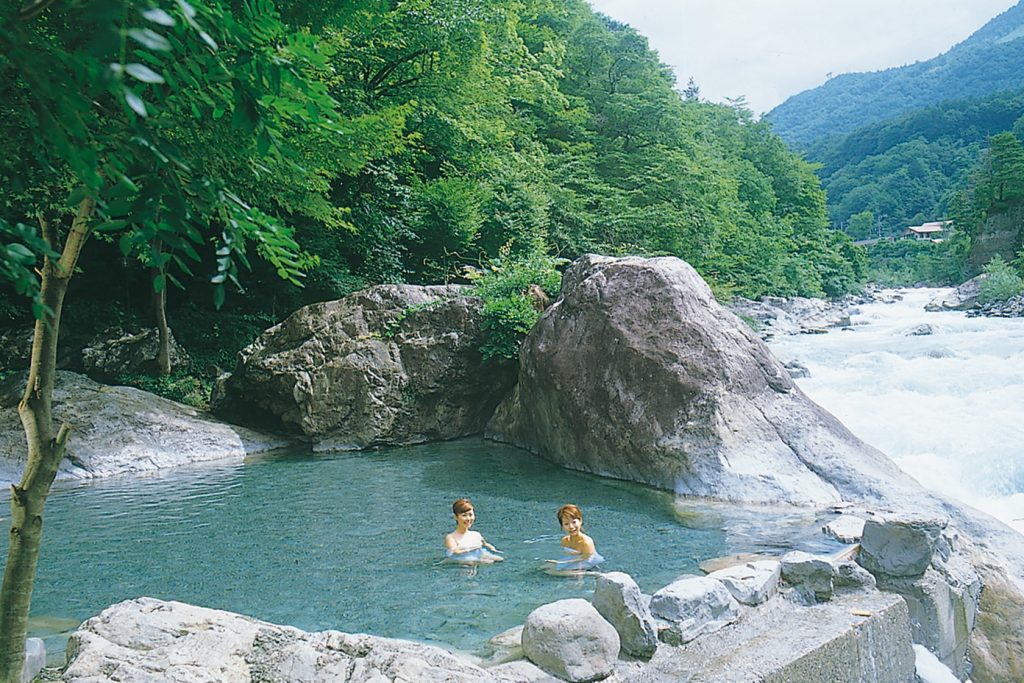
At the base of the Northern Alps mountains there are five hot springs collectively known as Okuhida Onsengo: Hirayu, Fukuji, Shinhirayu, Tochio and Shinhotaka. It is one of the best hot spring resorts in Gifu Prefecture, and you can enjoy open outdoor hot-springs and taking a bath while viewing the magnificent mountains. There are many sightseeing spots on this bus route, such as Hida Great Limestone Cave, Hirayu Grand Waterfall, Oku Hida Bear's Park and also many attractive tourist facilities, such as Hirayu bus terminal as a transfer station to Mt. Norikuradake or Kamikochi or "Alps Kaido Hirayu" a rest stop where you can enjoy meals and shopping . Nohi Bus operates its service once about every hour from Takayama and the last bus stop is located right in front of Japan's only double decker gondola, "Shinhotaka Ropeway," where many guests visit throughout the year.
Timetable
TakayamaHirayu OnsenShinhotaka Ropeway
| Operation Period | operates from July 18 to Oct 12 |
Daily | operates from Apr 1 to Nov 30 |
Daily | Daily | operates from July 19 to Oct 12 |
Daily | Daily | Daily | Daily | Daily | Daily | Daily | Daily | Daily | Daily | Daily |
| 0Takayama Bus Terminal | 6:00 | 7:00 | 7:40 | 8:10 | 8:40 | 9:40 | 10:40 | 11:40 | 12:40 | 13:40 | 14:40 | 15:40 | 16:40 | 17:40 | 18:40 | ||
| H2Furui Machinami-guchi | ↓ | 7:03 | 7:43 | ↓ | 8:43 | 9:43 | 10:43 | 11:43 | 12:43 | 13:43 | 14:43 | 15:43 | 16:43 | 17:43 | ↓ | ||
| H11(h12)Machikata(Nyukawa) | (6:15) | 7:16 | 7:56 | (8:25) | 8:56 | 9:56 | 10:56 | 11:56 | 12:56 | 13:56 | 14:56 | 15:56 | 16:56 | 17:56 | 18:56 | ||
| H24Shonyudo-guchi | ↓ | 7:28 | 8:08 | ↓ | 9:08 | 10:08 | 11:08 | 12:08 | 13:08 | 14:08 | 15:08 | 16:08 | 17:08 | 18:08 | 19:08 | ||
| H31Ski-joguchi | ↓ | 7:39 | 8:19 | ↓ | 9:19 | 10:19 | 11:19 | 12:19 | 13:19 | 14:19 | 15:19 | 16:19 | 17:19 | 18:19 | 19:19 | ||
| H32Honokidaira | ★6:38 | 7:43 | 8:23 | ★8:48 | 9:23 | 10:23 | 11:23 | 12:23 | 13:23 | 14:23 | 15:23 | 16:23 | 17:23 | 18:23 | ↓ | ||
| H36Otaki-guchi・Camp-jomae | ↓ | 7:52 | 8:32 | ↓ | 9:32 | 10:32 | 11:32 | 12:32 | 13:32 | 14:32 | 15:32 | 16:32 | 17:32 | 18:32 | 19:32 | ||
| HO37Hirayu Onsen (Arr.) | 6:53 | 7:58 | 8:38 | 9:03 | 9:38 | 10:38 | 11:38 | 12:38 | 13:38 | 14:38 | 15:38 | 16:38 | 17:38 | 18:38 | 19:35 | ||
| HO37Hirayu Onsen (Dep.) | 7:00 | 7:40 | 8:00 | 8:40 | 9:40 | 10:40 | 11:40 | 12:40 | 13:40 | 14:40 | 15:40 | 16:40 | 17:40 | 18:40 | 19:37 | ||
| HO40Fukuji Onsen | 7:10 | ↓ | 8:10 | 8:50 | ↓ | 10:50 | ↓ | 12:50 | ↓ | 14:50 | ↓ | 16:50 | ↓ | 18:50 | 19:47 | ||
| HO42Ipposui | ↓ | 7:49 | ↓ | ↓ | 9:49 | ↓ | 11:49 | ↓ | 13:49 | ↓ | 15:49 | ↓ | 17:49 | ↓ | ↓ | ||
| HO44Uejigane Kogen | ↓ | 7:51 | ↓ | ↓ | 9:51 | ↓ | 11:51 | ↓ | 13:51 | ↓ | 15:51 | ↓ | 17:51 | ↓ | ↓ | ||
| HO45Fukuji Onsen-guchi | 7:12 | 7:52 | 8:12 | 8:52 | 9:52 | 10:52 | 11:52 | 12:52 | 13:52 | 14:52 | 15:52 | 16:52 | 17:52 | 18:52 | 19:49 | ||
| HO48Shinhirayu Onsen | 7:14 | 7:54 | 8:14 | 8:54 | 9:54 | 10:54 | 11:54 | 12:54 | 13:54 | 14:54 | 15:54 | 16:54 | 17:54 | 18:54 | 19:51 | ||
| HO51Tochio Onsen | 7:17 | 7:57 | 8:17 | 8:57 | 9:57 | 10:57 | 11:57 | 12:57 | 13:57 | 14:57 | 15:57 | 16:57 | 17:57 | 18:57 | 19:54 | ||
| H55Shinhotaka Onsen-guchi | 7:24 | 8:04 | 8:24 | 9:04 | 10:04 | 11:04 | 12:04 | 13:04 | 14:04 | 15:04 | 16:04 | 17:04 | 18:04 | 19:04 | 20:01 | ||
| HO58Nakaokogen-guchi | 7:27 | 8:07 | 8:27 | 9:07 | 10:07 | 11:07 | 12:07 | 13:07 | 14:07 | 15:07 | 16:07 | 17:07 | 18:07 | 19:07 | 20:04 | ||
| h59nakaoyakedake-tozanguchi | 7:28 | ↓ | 8:28 | ↓ | ↓ | ↓ | 12:08 | ↓ | ↓ | 15:08 | 16:08 | 17:08 | 18:08 | 19:08 | 20:05 | ||
| H64Shinhotaka Onsen | 7:32 | 8:12 | 8:32 | 9:12 | 10:12 | 11:12 | 12:12 | 13:12 | 14:12 | 15:12 | 16:12 | 17:12 | 18:12 | 19:12 | 20:09 | ||
| HO65Shinhotaka Ropeway | 7:45 | 8:16 | 8:45 | 9:16 | 10:16 | 11:16 | 12:25 | 13:16 | 14:16 | 15:25 | 16:25 | 17:25 | 18:25 | 19:25 | 20:22 |
The 6:00 bus from Takayama to Hirayu Onsen operates from July 19th to August 24th
Please be aware that the buses will take a detour on April 14~15,May 2~6,July 18~20,August 8~16,September 19~23, and October 9~12.
(Kokubunji,Furui Machinami-guchi,betsuin-mae,nagasakatsuji and Higashishogakko-guchi bus stops are not available.)
Shinhotaka RopewayHirayu OnsenTakayama
| Operation Period | Daily | Daily | Daily | Daily | Daily | Daily | Daily | Daily | Daily | Daily | Daily | Daily | Daily | Daily | operates from Apr 1 to Nov 30 |
| HO65Shinhotaka Ropeway | 6:01 | 7:55 | 8:55 | 9:16 | 9:55 | 10:55 | 11:55 | 12:55 | 13:46 | 14:55 | 15:55 | 16:55 | 17:55 | 18:35 | |
| H64Shinhotaka Onsen | 6:02 | 7:56 | 8:56 | 9:17 | 9:56 | 10:56 | 11:56 | 12:56 | 13:47 | 14:56 | 15:56 | 16:56 | 17:56 | 18:36 | |
| HO58Nakaokogen-guchi | 6:05 | 7:59 | 8:59 | 9:20 | 9:59 | 10:59 | 11:59 | 12:59 | 13:50 | 14:59 | 15:59 | 16:59 | 17:59 | 18:39 | |
| h59nakaoyakedake-tozanguchi | 6:08 | ↓ | ↓ | 9:23 | ↓ | ↓ | ↓ | ↓ | 13:53 | ↓ | ↓ | ↓ | ↓ | ↓ | |
| H55Shinhotaka Onsen-guchi | 6:18 | 8:03 | 9:03 | 9:33 | 10:03 | 11:03 | 12:03 | 13:03 | 14:03 | 15:03 | 16:03 | 17:03 | 18:03 | 18:43 | |
| HO51Tochio Onsen | 6:24 | 8:09 | 9:09 | 9:39 | 10:09 | 11:09 | 12:09 | 13:09 | 14:09 | 15:09 | 16:09 | 17:09 | 18:09 | 18:49 | |
| HO48Shinhirayu Onsen | 6:26 | 8:11 | 9:11 | 9:41 | 10:11 | 11:11 | 12:11 | 13:11 | 14:11 | 15:11 | 16:11 | 17:11 | 18:11 | 18:51 | |
| HO45Fukuji Onsen-guchi | 6:29 | 8:14 | 9:14 | 9:44 | 10:14 | 11:14 | 12:14 | 13:14 | 14:14 | 15:14 | 16:14 | 17:14 | 18:14 | 18:54 | |
| HO44Uejigane Kogen | ↓ | 8:15 | ↓ | 9:45 | ↓ | 11:15 | ↓ | 13:15 | ↓ | 15:15 | ↓ | 17:15 | ↓ | 18:55 | |
| HO42Ipposui | ↓ | 8:18 | ↓ | 9:48 | ↓ | 11:18 | ↓ | 13:18 | ↓ | 15:18 | ↓ | 17:18 | ↓ | 18:58 | |
| HO40Fukuji Onsen | 6:31 | ↓ | 9:16 | ↓ | 10:16 | ↓ | 12:16 | ↓ | 14:16 | ↓ | 16:16 | ↓ | 18:16 | ↓ | |
| HO37Hirayu Onsen (Arr.) | 6:43 | 8:28 | 9:28 | 9:58 | 10:28 | 11:28 | 12:28 | 13:28 | 14:28 | 15:28 | 16:28 | 17:28 | 18:28 | 19:08 | |
| HO37Hirayu Onsen (Dep.) | 6:45 | 7:30 | 8:30 | 9:30 | 10:00 | 10:30 | 11:30 | 12:30 | 13:30 | 14:30 | 15:30 | 16:30 | 17:30 | ||
| H36Otaki-guchi・Camp-jomae | 6:47 | 7:32 | 8:32 | 9:32 | 10:02 | 10:32 | 11:32 | 12:32 | 13:32 | 14:32 | 15:32 | 16:32 | 17:32 | ||
| H32Honokidaira | ↓ | 7:46 | 8:46 | 9:46 | 10:16 | 10:46 | 11:46 | 12:46 | 13:46 | 14:46 | 15:46 | 16:46 | 17:46 | ||
| H31Ski-joguchi | 6:59 | 7:48 | 8:48 | 9:48 | 10:18 | 10:48 | 11:48 | 12:48 | 13:48 | 14:48 | 15:48 | 16:48 | 17:48 | ||
| H24Shonyudo-guchi | 7:09 | 7:59 | 8:59 | 9:59 | 10:29 | 10:59 | 11:59 | 12:59 | 13:59 | 14:59 | 15:59 | 16:59 | 17:59 | ||
| H11(h12)Machikata(Nyukawa) | 7:22 | 8:12 | 9:12 | 10:12 | 10:42 | 11:12 | 12:12 | 13:12 | 14:12 | 15:12 | 16:12 | 17:12 | 18:12 | ||
| H2Furui Machinami-guchi | 7:34 | 8:24 | 9:24 | 10:24 | 10:54 | 11:24 | 12:24 | 13:24 | 14:24 | 15:24 | 16:24 | 17:24 | 18:24 | ||
| 0Takayama Bus Terminal | 7:41 | 8:31 | 9:31 | 10:31 | 11:01 | 11:31 | 12:31 | 13:31 | 14:31 | 15:31 | 16:31 | 17:31 | 18:31 |
(Kokubunji,Furui Machinami-guchi,betsuin-mae,nagasakatsuji and Higashishogakko-guchi bus stops are not available.)
Bus Fare
| Honokidaira | Hirayu Onsen |
Fukuji Onsen・ Fukuji Yurimizaka |
Ipposui | Fukuji Onsen-guchi |
Shinhirayu Onsen |
Tochio Onsen |
Shinhotaka Onsen-guchi |
nakaokogen (ashiyumae) |
Shinhotaka Ropeway |
|
|---|---|---|---|---|---|---|---|---|---|---|
| Takayama Bus Terminal |
1,230 | 1,600 | 1,800 | 1,770 | 1,840 | 1,850 | 1,930 | 2,050 | 2,170 | 2,200 |
| Hirayu Onsen | 560 | - | 380 | 330 | 430 | 480 | 560 | 690 | 870 | 910 |
| Fukuji Onsen・ Fukuji Yurimizaka |
840 | 380 | - | 200 | 160 | 200 | 280 | 430 | 620 | 660 |
| Shinhirayu Onsen | 930 | 480 | 200 | 250 | 160 | - | 160 | 330 | 510 | 570 |
| Tochio Onsen | 990 | 560 | 280 | 320 | 210 | 160 | - | 250 | 450 | 490 |
Information and cautions
Carry-on Baggage
・Please be responsible for managing your carry-on baggage. We are not liable for any damage, loss, or theft of your belongings.
・For safety reasons, please refrain from placing heavy or unstable items on the overhead luggage racks.
Bus Trunk Usage
・When using the trunk, please be careful of the trunk door and handle your luggage yourself. Please double-check your luggage to avoid taking the wrong bag. If you have a disability or require assistance with your luggage, please do not hesitate to ask a member of our staff.
・The trunk is shared by many passengers. Due to limited space, we may be unable to accommodate large items. We are not liable for any damage, loss, or theft of your luggage.
When Bringing a Mobile Battery
・Please bring your mobile battery with you into the bus cabin and manage it within your line of sight.
・Do not store mobile batteries in the trunk compartment (luggage bay).
Tourists spots
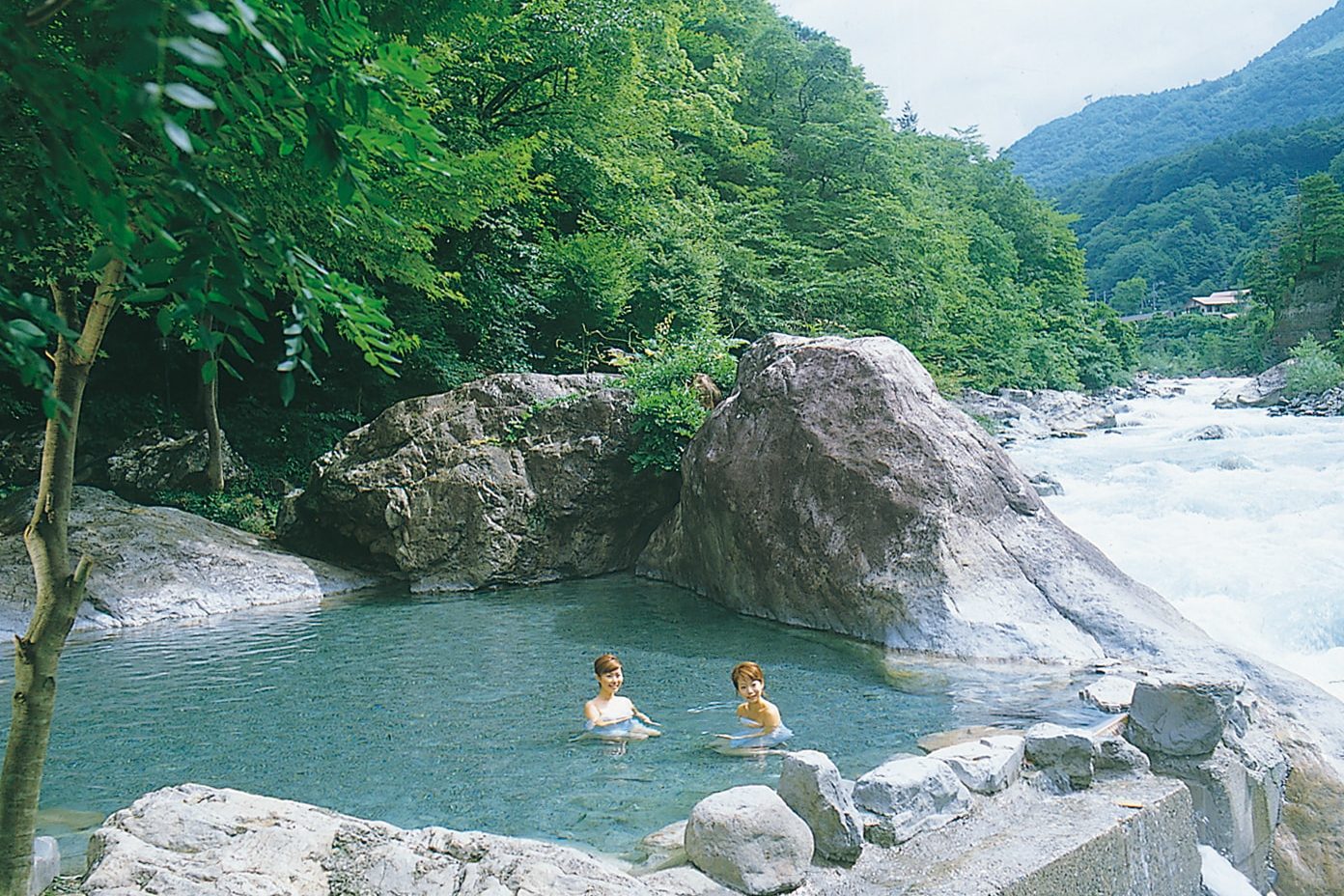
Okuhida Onsengo
Okuhida Onsengo is a collective name for 5 hot spring resorts: Hirayu, Fukuji, Shinhirayu, Tochio and Shinhotaka. This Onsengo has an abundant supply of water with more than 140 springs in total and more than 30,000 liters of hot spring water every minute.
There are more than 110 outdoor hot-springs in Okuhida Onsengo, and the number is said to be largest in Japan.
You can enjoy different types of hot-spring baths, "fine view outdoor hot-spring" viewing the Northern Alps or "forest outdoor hot-spring" surrounded by Mother Nature. Also, there are many facilities providing a one-day visit to satisfy the people who love hot springs.
Shinhotaka Ropeway
The Shinhotaka Ropeway is the most popular tourist destination in the Oku-Hida area. Operating daily except during extreme weather conditions or high winds, a two-part ropeway carries visitors to Nishihotakaguchi Station, at an altitude of 2,156 meters, in around 25 minutes. The observation deck there offers an expansive view of the Northern Alps, including Mt. Nishihotakadake (2,909 m), Mt. Yarigatake (3,180 m), and Mt. Kasagatake (2,898 m).
The Shinhotaka Ropeway was originally envisaged as a sightseeing route that would connect Gifu and Nagano Prefectures, arching over the Hotaka Mountain Range to reach Kappa Bridge in the resort town of Kamikōchi. Financial, engineering, and environmental realities resulted in a much shorter route by the time it opened in 1970. Nevertheless, by 1975 it had served around a million passengers.
Today, the first half of the ropeway carries passengers from Shinhotaka Onsen Station (1,117 m) up to the transit point of Nabedaira Kōgen Station (1,305 m). From there it is a short walk to Shirakabadaira Station (1,308 m), starting point of the second half of the ropeway. Here visitors board Japan’s only two-story gondola, an innovation designed to give as many passengers as possible a window-side view of the magnificent alpine landscape.
At the terminus is a large observation deck overlooking a broad stretch of the Northern Alps. Signs with English captions display the names and silhouettes of the peaks visible in three directions. A coffee shop on the deck serves freshly roasted coffee during warmer months; beneath it are a restaurant, a souvenir shop, and restrooms. Nishihotakaguchi Station shares the mountain ridge with Sengoku Park, a small forested area with a large number of flowering plant species; it is easily accessible from the station. The eaves of the building shelter another mountain resident: the Asian house martin (iwatsubame), which breeds in the area in summer.
Despite the impressive view from the top, many ropeway passengers stop at the middle transit area to view nature displays at the visitor center or enjoy a leisurely soak in the open-air hot-spring baths. Near the Shirakabadaira Station is a foot bath where visitors can immerse their feet while watching the gondolas arrive and depart. The 2.3-kilometer nature trail has guided walks in summer and a snowshoe tour in winter, though they require reservations. Snacks, desserts, and fresh-baked bread are sold at Shirakabadaira Station.
The Shinhotaka Ropeway is located at the end of the Nōhi Bus Shinhotaka Line and is fully accessible by wheelchair.
Alps Kaidō Hirayu and the Hirayu Bus Terminal
This complex in the hot spring village of Hirayu Onsen is a rest area and key transport hub for the Gifu Prefecture side of the Northern Alps. Travelers can dine, shop, and visit several local points of interest before boarding a bus to continue their journey deeper into the mountains.
The ground-floor restaurant serves curry, ramen and udon noodles, and grilled Hida beef on rice (gyūdon); a bakery in the building sells fresh bread. The large souvenir shop has snacks, drinks, personal necessities and travel goods, and a wide selection of Hida-Takayama souvenirs. Among them are Sarubobo—protective charms in the shape of faceless red dolls that are said to ward off evil, foster good relationships, and ease childbirth. The shop also sells a range of sake produced in the nearby “sake treasure trove” towns of Hida-Takayama, Hida-Furukawa, and Hida-Kamioka.
Visitors can use the building’s free hot-spring footbath, open from 9 a.m. to 5 p.m. Coin lockers and restrooms are also available. A short walk from the Alps Kaidō Hirayu parking lot is Hirayu Shrine, known for its healing powers. The 64-meter-tall, 6-meter-wide Hirayu Falls is about 30 minutes away on foot, or about 5 minutes by car.
Hirayu Bus Terminal is a main transport hub for the Oku-Hida region, with buses departing for popular destinations such as Kamikōchi, Mt. Norikura, the Shinhotaka Ropeway, and Takayama. Vehicle restrictions on the roads that lead to Kamikōchi and Mt. Norikura require travelers to park their private cars at the terminal, then board a bus or taxi to their destination. Highway express buses also connect the Hirayu Bus Terminal with the city of Matsumoto (1 hour 25 minutes) and with Shinjuku in Tokyo (4 hours 30 minutes).
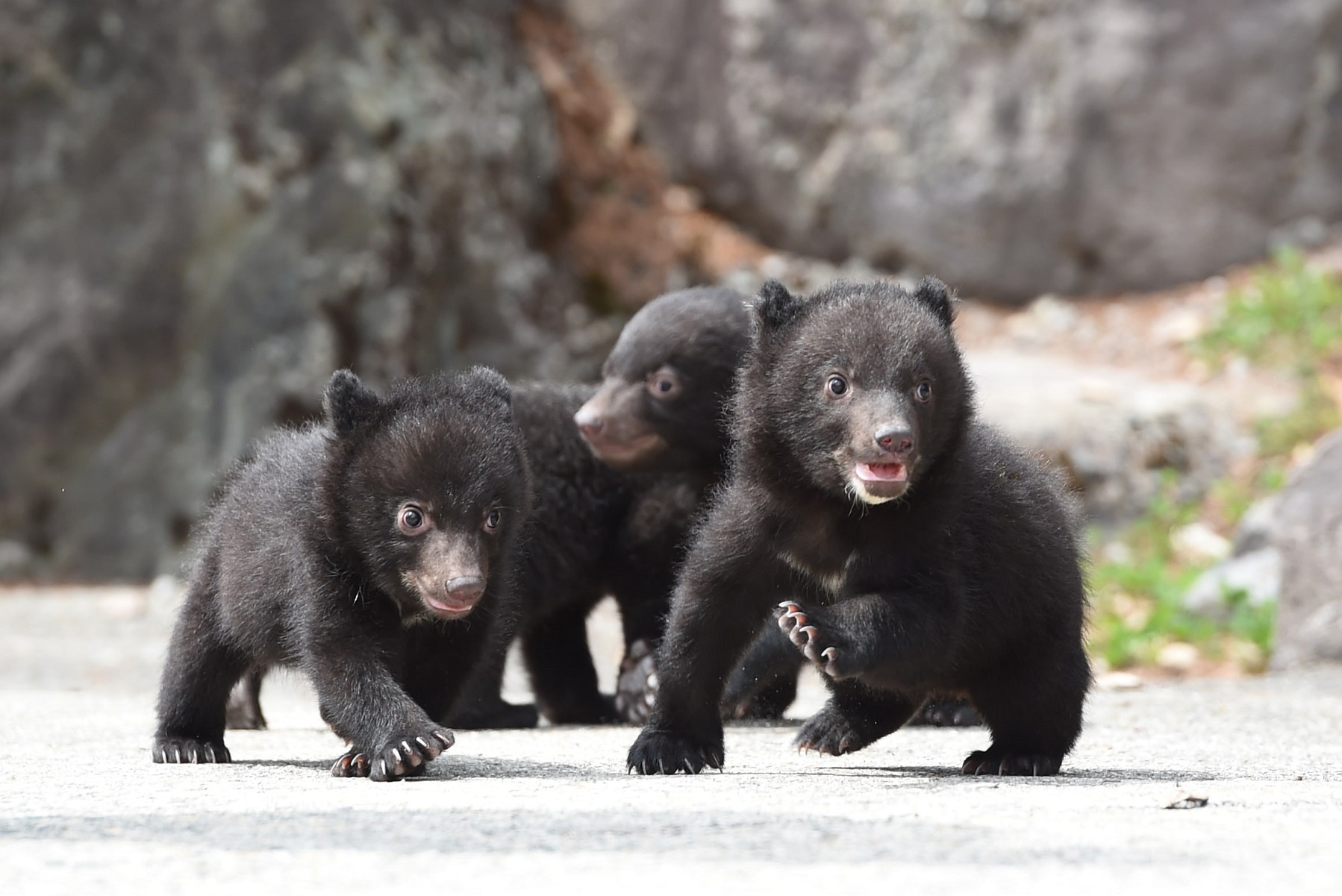
Bears Park
About 5 minutes on foot from kumabokujo-mae bus stop
This is a theme park of bears, with more than 100 bears that have been bred, such as Asiatic black bears or brown bears collected from all over the world. There is a vending machine of bear food in the park and you can enjoy feeding the bears. Their way to ask for food is quite unique, and they can catch the food if you throw it. In October of every year, you can have a commemorative picture of yourself holding a baby bear in your arms.
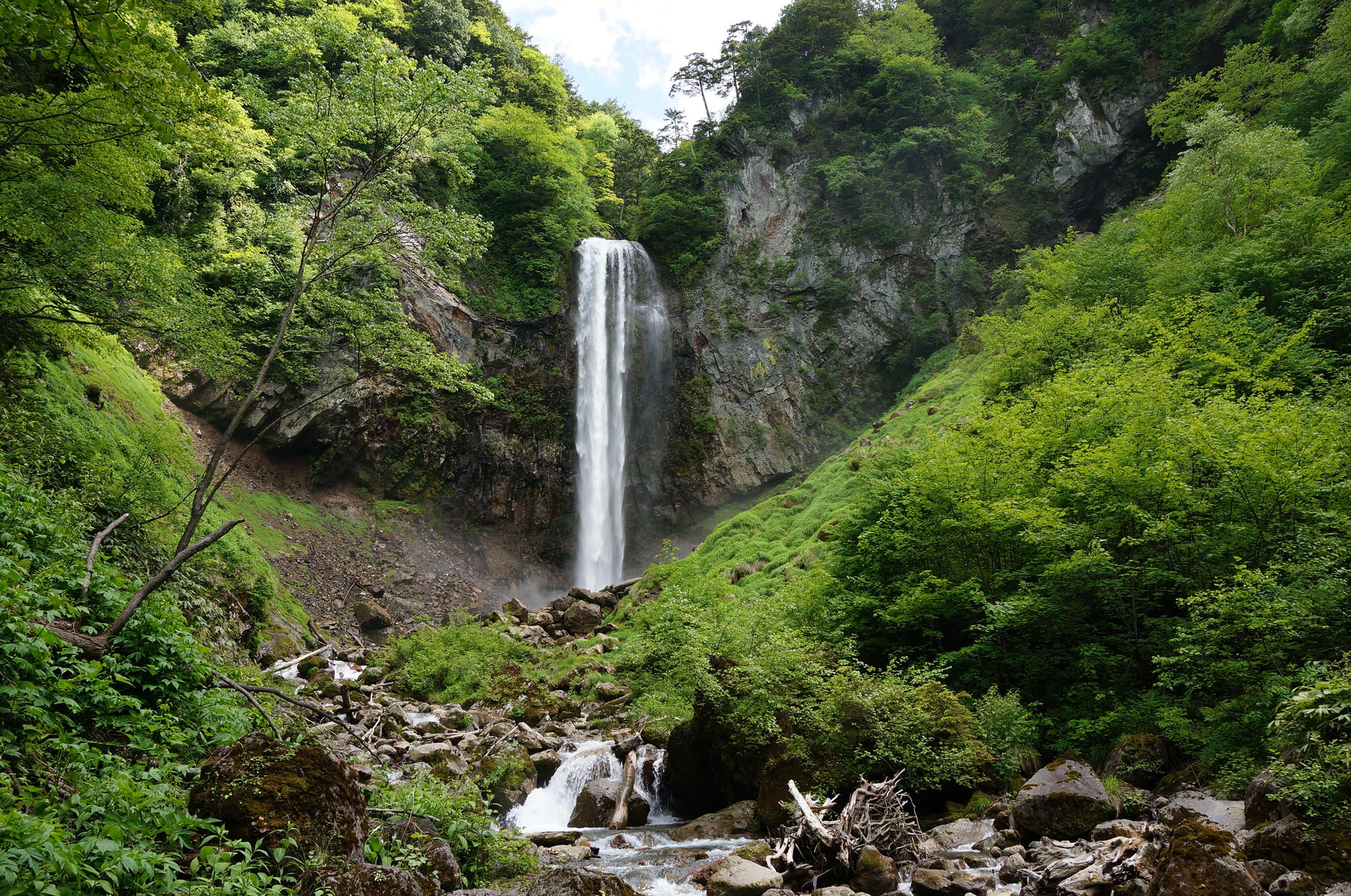
Hirayu Grand Waterfall
About 20 minutes on foot from Hirayuootaki-guchi bus stop
Hirayu Grand Waterfall is one of Hida's three major waterfalls in drop length and selected as one of "Japan's Top 100 Waterfalls." Its abundant water and roaring sound are magnificent; the surrounding area is shrouded by negative ions and mist. The rock surface covered by babbling clear water and the moss heals tourists' hearts.
The "Frozen Hirayu Grand Waterfall Festival" is held in February every year and the frozen waterfall is lit up beautifully. Enjoy the freezing cold of Okuhida and the scenery made by Mother Nature that is only available in winter.
Hida Great Limestone Cave
About 1 minute by free shuttle bus from Shonuydo-guchi bus stop
Hida Great Limestone Cave is located at the highest place in Japan (at the altitude of 900 m as a tourism limestone cave) and one of the country's best tourism limestone caves with a length reaching about 800 m. The average temperature through the year inside the cave is about 12°C, which is warm in winter and it can be a nice resort in summer. You must see creation of Mother Nature that took about 250 million years to make. In the close by Ohashi Collection Kan Museum, around 1,000 artworks from around the world are on display which were collected by the late Sotokichi Ohashi who discovered Hida Great Limestone Cave. "Returned Gold Block" (a gold block with a weight of 100 kg, one of the main exhibited objects, was stolen on 18 March 2017) is displayed together with the replica made before it was stolen, although part of the original block had already been melted by a burner and turned to several decrepit nubs.
Also, this was selected as the "Lover's Sanctuary" on March 1, 2017. Why don't you get a "Love Lock" (1,080 yen) and pray.
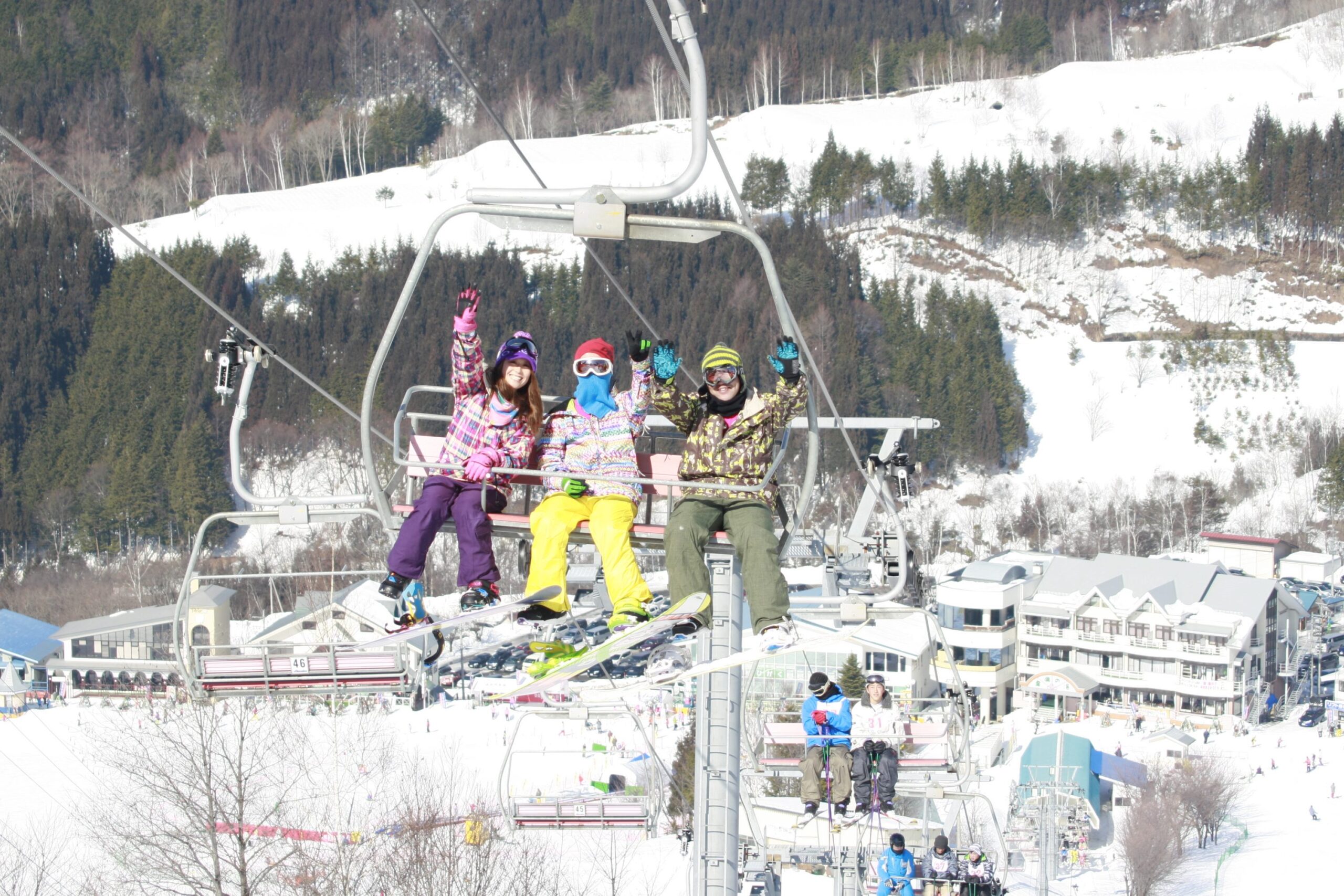
Honoki Ski Resort
Just in front of Honoki Ski Resort
Honoki Ski Resort is located at an altitude of 1,250 - 1,550 m with magnificent scenery, and is the ski resort where you can enjoy skiing or snowboarding on superfine powder snow. It opens from early December to the end of March, and is a winter touring spot where you can enjoy activities like skiing, sledding down the kid's ski trail or cruising on a rafting boat.
The Three Spiritual Sites of Oku-Hida
The Oku-Hida region holds three revered spiritual destinations that are collectively called the Sanmairi, or “three shrine visits.” Going to all three of these “power spots” is said to ensure lasting relationships, successful conception, and good health.
Romance The tiny Mozumo Shrine sits beside Taruma Falls in the village of Shinhirayu Onsen. Prayers at the shrine are thought to strengthen romantic and marital bonds (en musubi). The site acquired this power through a curious link with Izumo Grand Shrine in Shimane Prefecture, which is widely associated with en musubi. According to Shinto belief, in the tenth month of the lunar calendar deities from across Japan travel to Izumo, where they gather at the great shrine to discuss matchmaking for the coming year. Local legend has it that, along the way, the deities pass through the river valley where Mozumo Shrine is located. Here they rest, drink the pure water of the falls, and relax in the mountain village’s hot springs.
Because of the valley’s long-standing association with the procession to Izumo, the area took on the linguistically linked name “Mozumo.” The connection also brought the deities of Mozumo Shrine a similar power to bestow good fortune in marriage, making it a popular destination for couples. In winter, visitors can also travel beneath the Mozumo River through an illuminated tunnel.
Fertility Nakao Hakusan Shrine is a tranquil spot in the woodlands near Shinhotaka Onsen. Within the shrine precincts are two large, moss-covered rocks shaped unmistakably like male and female genitalia. Legend tells of a loving but childless couple who, while praying at the shrine, heard a voice telling the man to sit on the female rock and the woman to sit on the male rock. They did so, and soon after miraculously conceived a child. Visitors are welcome to sit on the rocks to make their own prayers.
Healing It is said that between the late fifteenth and late sixteenth centuries, a local army attempted to invade Hida by traversing a nearby mountain pass. By the time they reached the top, the warriors were exhausted and sickened by sulfurous volcanic fumes coming from mountain. They collapsed, unable to go any further. Suddenly, a white monkey appeared. They followed it, and the monkey led them to nearby healing waters. The warriors miraculously recovered, and Hirayu Hot Spring was discovered. Today, Hirayu Shrine is reputed to heal all manner of physical ailments. Visitors are welcome to take one of the free wooden placards (ema) and write upon it a prayer for healing. Inscribed placards should then be tied on the nearby lines.
Mozumo Shrine and Taruma Falls are a minute’s walk from the Shinhirayu Onsen or Zentsujimae bus stops. Hirayu Shrine is a 4-minute walk from Hirayu Bus Terminal. Nearby parking is available for all three locations.